


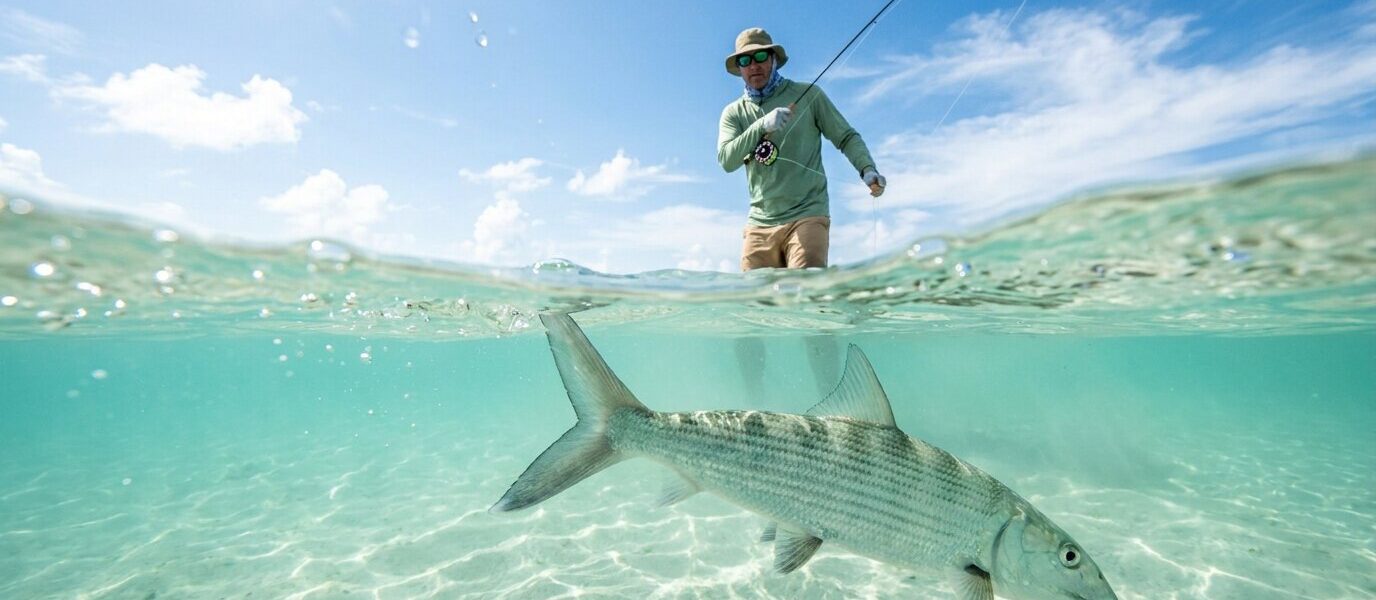
Bonefish earned the nickname “gray ghost” for good reason. They flash silver against pale sand, then vanish the instant a shadow crosses the water or a fly line slaps too hard. Figuring out how to catch bonefish is really about learning to read shallow water the way these fish do, and honestly, there aren’t many places that make that lesson clearer than the flats around Los Roques, Venezuela.
This archipelago sits in the southern Caribbean, surrounded by water so clear that spotting a bonefish almost feels more like a skill you build up than a matter of luck. The fish itself, Albula vulpes, is small, lightning-fast, and built to dart over shallow ground. Catching one comes down to matching the right tackle and bait to what the fish are actually eating, then making a quiet, accurate presentation before it ever knows you’re there.
If a guided fly-fishing trip to Los Roques is on your radar, working with a specialist familiar with the archipelago’s flats, tides, and posada logistics can make the planning side just as smooth as the fishing itself.
7 Days Los Roques Flyfishing Package
Key Takeaways
- Matching tackle and bait to local forage like shrimp, crabs, worms, and glass minnows ups your odds on the flats.
- Spotting bonefish early and approaching quietly matters more than casting distance or fly pattern alone.
- A calm hookset, controlled fight, and careful release protect both the fish and the flats fishery for future trips.
Choose Bonefish Tackle, Flies, Lures, And Bait
Bonefish tackle needs to be light enough for a delicate presentation but strong enough to handle a fast, drag-screaming run. The right choice depends on wind, water depth, and whether you’re casting a fly or working a jig, while fly and bait selection should mirror what bonefish are actually rooting for on a given flat.
Match Fly Gear To Wind, Water Depth, And Fish Size
A 7 to 9 weight fly rod covers most bonefish situations, paired with a weight-forward floating fly line built for flats work. Add a large arbor reel with a smooth drag and at least 150 to 200 yards of backing, since a hooked bonefish can strip line fast.
Use a tapered leader around 9 feet, stepping down to a fluorocarbon tippet in the 10 to 15 pound range. In windier conditions or deeper channels around Los Roques, a shorter, heavier tapered leader turns over better and still stays nearly invisible in clear water.
Build A Light Spinning Setup For Quiet Presentations
Spinning tackle works well for anglers new to fly casting or fishing on breezier days. A 7 to 7.5 foot medium-light spinning rod with a fast action tip gives enough sensitivity to feel a light bite.
Spool a 2500-size saltwater reel with 10 to 12 pound braided line. Finish with a 12 to 15 pound fluorocarbon leader, about 6 feet long, to keep the connection stealthy near spooky fish.
Select Natural Baits And Artificial Shrimp
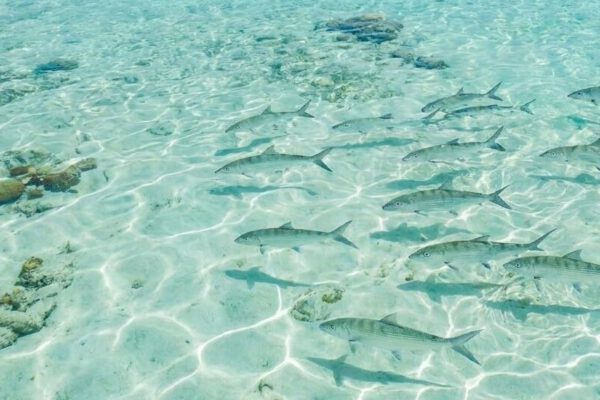
Bonefish feed on crustaceans, mollusks, and worms found along sandy and grassy bottoms. Live shrimp is the classic natural bait—hook it lightly through the tail and let it sink near a visible fish.
Small crabs, including portunid crabs, and polychaete worms also draw strikes where they occur. Soft-plastic shrimp and other artificial shrimp imitations are a durable, reusable option when live bait isn’t practical, especially if you’re moving between flats all day with a guide.
Carry Productive Flats Flies, Jigs, And Minnow Patterns
A handful of proven bonefish flies covers most situations. Keep these in your box:
- Crazy Charlie, size 4 to 6, in white or tan with bead-chain eyes
- Clouser Minnow, useful where baitfish are active
- Borski Bonefish Slider, a natural shrimp-style profile
- Dorsey Kwan, effective on wary, pressured fish
For spinning tackle, a bonefish jig or skimmer jig in gold or yellow, around 1/4 to 3/8 ounce, imitates a fleeing shrimp along the bottom. Around Los Roques, where glass minnows and other small baitfish sometimes school over the flats, a slim minnow-pattern fly or jig can outperform shrimp patterns when fish are keyed on baitfish rather than crustaceans. A circle hook helps with clean, low-injury hooksets when using natural bait.
Read The Flats And Execute The Catch
Catching a bonefish is a sequence, not a single cast. It starts with finding fish based on tide and bottom type, moves through spotting and a stealthy approach, and ends with a clean hookset, a controlled fight, and a careful release.
Locate Feeding Fish By Tide, Bottom, And Water Clues
Bonefish follow the tide onto shallow flats to feed, then slide back toward deeper channels as water drains. An incoming or rising tide often pushes fish onto sandy flats and grass flats where crabs, shrimp, and worms are easier to root out.
Sandy bottoms hold different forage than grass, so bottom type shapes which fly or bait works best. Around Los Roques, guides watch these tidal patterns closely across the archipelago’s mix of shallow sandy flats and channels, much as guides do on classic flats fisheries like Andros, Abaco, or the Florida Keys near Islamorada.
Spot Tailing And Cruising Bonefish Before They Spook
Polarized sunglasses are essential gear here, not just a nice-to-have. Amber or copper lenses cut glare and reveal the subtle color shift of a bonefish against sand.
Look for a tail breaking the surface as a fish feeds head-down, or for “nervous water,” a nervous ripple on otherwise calm water made by a cruising or spooked group of fish. Spotting fish early, before they spot you, gives time to plan an approach instead of reacting at the last second.
Wade Or Pole Into Position With A Stealthy Approach
Once you spot a fish, your movement matters most. Wading anglers should move slowly, keep their profile low, and avoid sudden splashes.
From a shallow draft boat, poling replaces a running motor, letting a guide close the distance without spooking fish. Bonefish in tropical waters this clear notice shadows and vibration quickly, so patience during this approach matters as much as any cast that follows.
Lead The Fish And Work The Presentation Naturally
Cast 6 to 10 feet ahead of the fish’s direction of travel, letting the fly or jig sink before it enters the fish’s window of view. Leading the fish this way avoids a direct hit that can spook it instantly.
Once the fish approaches, one or two short strips can imitate a fleeing shrimp or crab. Overworking the retrieve is a common mistake; small, natural movements usually draw more strikes than constant motion.
Set The Hook, Manage The First Run, And Release Carefully
A bonefish strike calls for a strip-set, pulling the line sharply with the line hand instead of lifting the rod. Lifting the rod too early creates slack and often costs the fish.
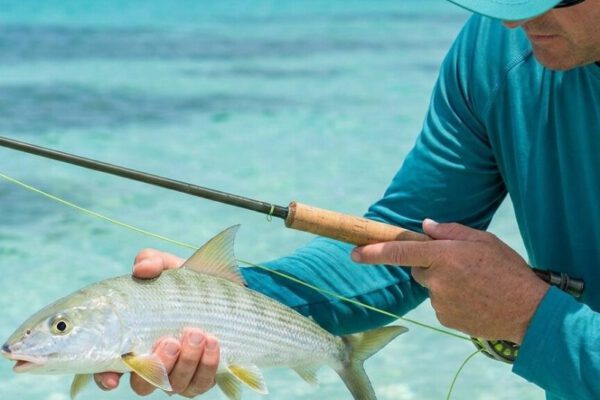
Once hooked, clear any loose line before the first run takes it, since a bonefish can pull significant line in seconds. Fight the fish steadily, then keep it in the water during release, supporting it gently until it swims off on its own strength.
Plan A Responsible Los Roques Flats Day
A typical guided day on the Los Roques flats moves between several shallow areas as the tide changes, following fish rather than staying fixed in one spot. This mirrors how anglers approach flats fisheries in Belize, Brazil, or Florida, where local Albula garcia and Albula vulpes populations both call for similar tidal awareness.
Confirm current park access rules and any catch-and-release expectations with your guide before heading out, since local regulations can shift and should never be assumed from general Caribbean practice.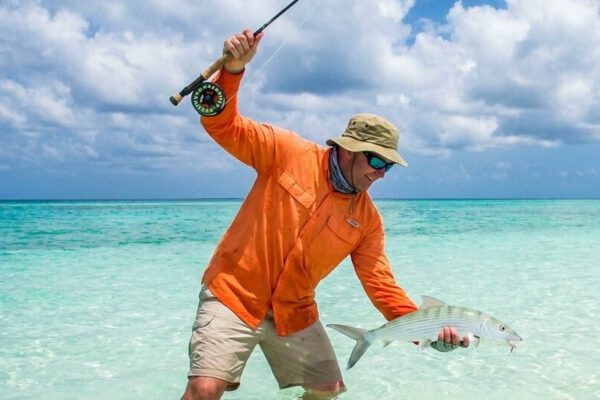
What flies are most effective for bonefish fishing?
The Crazy Charlie, tied in white or tan with bead-chain eyes, remains one of the most productive bonefish flies worldwide. The Clouser Minnow, Borski Bonefish Slider, and Dorsey Kwan also produce consistent results. Where baitfish like glass minnows are active, a slim minnow pattern can outperform shrimp-style flies.
What is the best time of day to catch bonefish?
Early morning and late afternoon often bring calmer wind and better light for spotting fish on the flats. Midday sun, while sometimes harsh, can also improve visibility into the water when the sun sits high overhead. Tide stage usually matters more than the exact hour, since feeding activity follows the water more than the clock.
How difficult is it to catch a bonefish?
Bonefish are considered challenging due to their sharp eyesight, speed, and tendency to spook easily in shallow water. Success depends heavily on a quiet approach, accurate casting, and reading tide and bottom conditions correctly. With practice and patience, first-time anglers can still hook fish, especially with guided help spotting and presenting to them.
Can you keep bonefish after catching them?
Bonefish are almost always catch-and-release in well-managed flats fisheries—think Florida, where you can't keep them at all. But honestly, the rules change depending on where you are, so it's smart to double-check local regulations before you head out, whether that's in the States or places like Venezuela's Los Roques archipelago. If you do catch one, try to handle it fast and just keep it in the water while you let it go. That way, the flats stay healthy for everyone.