


Los Roques Fly Fishing for Beginner – Spots, Species and Gear
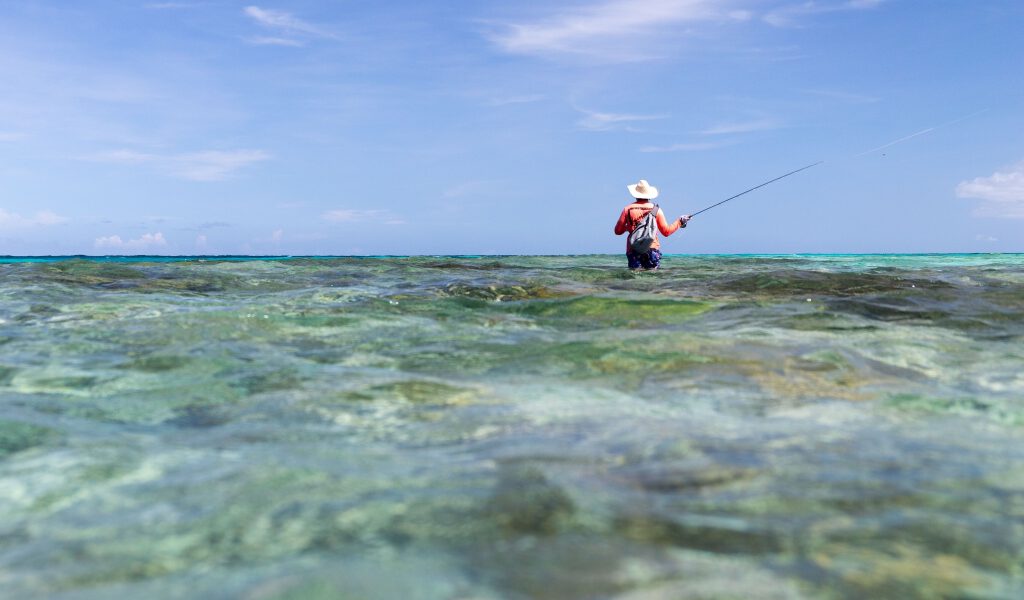
Los Roques sits about 168 km north of Venezuela’s coast, a protected national park of 42 coral islands, white-sand flats, and shallow lagoons. It has earned a serious reputation among saltwater fly anglers, and for good reason: the bonefish numbers rival the Seychelles, the permit run large, and tarpon work the channels around Gran Roque. For a beginner willing to wade firm sand flats in warm, clear water, this archipelago offers some of the most readable and forgiving flats fishing in the Caribbean.
The logistics are straightforward once you understand them. You fly into Gran Roque Airport on a small aircraft, stay at a posada, and fish with a guide and captain each day. Everything is built around wading and spot fishing, not drifting from a boat all day.
We organize your Los Roques Fly Fishing adventure!
FLY FISHING TOURKey information at a glance
- Beginners should start on the firm, shallow flats closest to Gran Roque, where bonefish are plentiful and wading conditions are easy.
- An 8-weight rod with a floating line, shrimp and crab patterns, and a 9-foot fluorocarbon leader covers most beginner situations on the flats.
- Los Roques fishes year-round, but late January through May gives beginners the best combination of calm weather, tailing bonefish, and manageable tides.
Where Beginners Should Fish First
The flats around Gran Roque vary significantly in depth, bottom composition, and species density. Beginners do best starting on the nearest, shallowest sandy flats where fish are visible, wading is stable, and guides can position you correctly without long runs.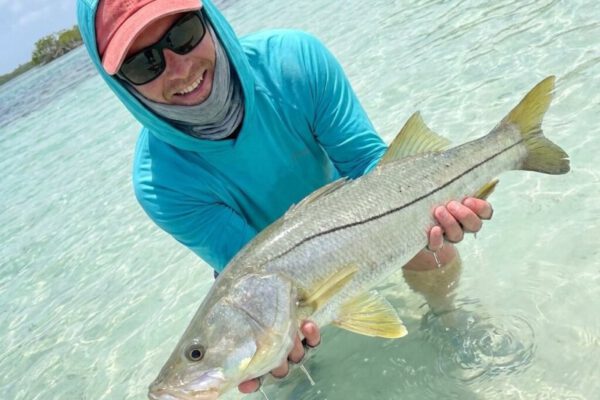
El Gran Roque Flats And Nearby Easy Wading Water
The firm white-sand flats immediately around Gran Roque are the most beginner-friendly water in the archipelago. Water depths on these flats typically run ankle to knee-deep at the right tide, making it easy to spot fish and place a cast without fighting deep wading or soft bottom.
Bonefish are present here year-round. From late January through May, you can find them actively tailing, which means they are visibly feeding with their tails breaking the surface. Tailing fish are exciting to target, but cruising fish in slightly deeper water are actually more forgiving for beginners since they move at a steadier pace and are less easily spooked.
Fishing areas within 10 to 20 minutes by boat from Gran Roque give you more time on the water and less time running. Your guide will walk you onto the flat and move with you, which is exactly the kind of support a first-time flats angler needs.
Pancake Flats Vs Mangroves Vs Coral Edges
The three main habitat types you will encounter each fishes differently, and knowing the difference helps you adjust quickly.
Pancake flats are the wide, open, sandy flats the archipelago is famous for. They offer the best visibility and the easiest wading. Bonefish cruise and tail here on rising tides, and the open sight lines let you spot fish at distance.
Mangrove lagoons hold smaller tarpon (5 to 30 lbs) and snook. The presentation window is tighter, casts need to land closer to structure, and the light inside the lagoon is often lower. These spots are worth fishing but require more precise casting than open flats.
Coral edges attract triggerfish and permit. The bottom becomes irregular and wading slows down. Fish behavior here is more unpredictable. These spots are best approached after you have built some confidence on the open sand.
How Guides, Boats, And Daily Routes Work
Each day, a captain and a dedicated guide work together on a single boat. The captain positions and moves the vessel between flats while the guide wades with you, spots fish, and coaches your presentation.
This setup is a real advantage. The captain drops you and your guide at the upcurrent end of a flat, then meets you at the other end. You never backtrack across already-disturbed water.
Productive fishing areas sit between 10 and 60 minutes from Gran Roque. Your guide selects flats based on tide, wind direction, and sunlight angle, all of which affect how well you can see fish and how well the fish can see your fly. Listening to your guide on flat selection and approach will matter more than anything else on your first trip.
Species, Tackle, And Fly Selection
The flats, lagoons, coral edges, and offshore drop-offs at Los Roques hold a wide range of species, each requiring a different approach, fly, and rod setup. Knowing what you are likely to encounter, and when, keeps you prepared rather than reactive.
Bonefish Basics For First-Time Anglers
Bonefish are the right starting target for beginners. They are numerous, found year-round, and respond well to small shrimp and crab imitations presented at the right angle.
On the pancake flats, you will find bonefish in schools and as individuals. Schools are easier targets for beginners since they offer more opportunities. Lone fish are warier and reward a more precise presentation.
The average fish runs 4 to 5 lbs, with larger fish common. An 8-weight rod with a weight-forward floating line and a 9-foot fluorocarbon leader in 12 lb test is the standard beginner setup. Flies should be small: sizes 6 to 8 work well on the flats, with lightly weighted patterns so the fly sinks without spooking fish in shallow water.
Top starter patterns: Crazy Charlie (tan or white), EP Spawning Shrimp, and any small Gotcha-style pattern in pink or tan.
When To Target Permit, Tarpon, And Triggerfish
Permit, tarpon, and triggerfish are all present in Los Roques but require more skill than bonefish. Think of them as next-level targets once you have a few days of flats casting experience behind you.
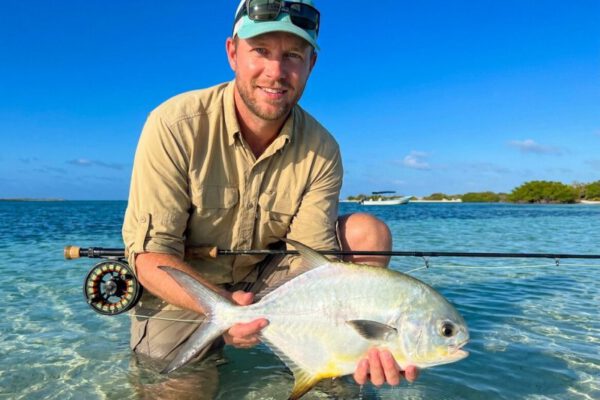
Permit run 20 to 40 lbs here. They cruise the coral edges and sandy flats in smaller numbers than bonefish and spook easily. September through February is the prime window. Use a 9 or 10-weight rod, 12 to 15 lb fluorocarbon tippet, and a weighted crab pattern such as a Merkin or Del’s Merkin in tan or olive, size 4 to 2.
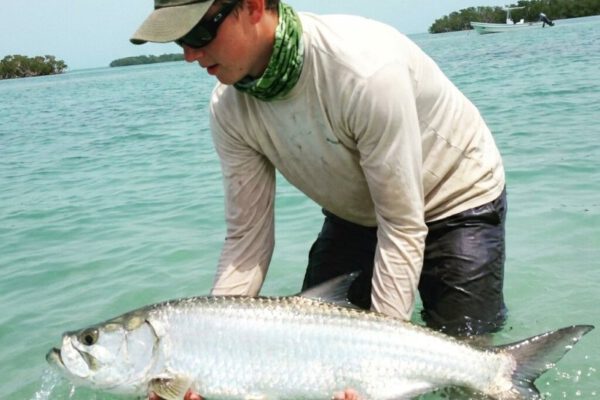
Tarpon concentrate around Gran Roque channels in the 30 to 80 lb range, with smaller fish in lagoons and mangroves. The best tarpon months are September through February. You need a 10 or 11-weight rod, a tarpon-rated leader, and large streamers such as EP Tarpon Flies, Black Death, or large Deceivers in black and purple.
Triggerfish cruise coral flats with their dorsal fins up. They are notoriously selective. A size 4 to 6 crab or shrimp pattern dropped very close and allowed to sink naturally is the standard approach.
Recommended Rod Weights, Leaders, Lines, And Flies
A single rod will not cover every species. Prioritize by what you plan to fish most.
| Target | Rod Weight | Line | Leader/Tippet | Key Flies |
|---|---|---|---|---|
| Bonefish | 8-weight | WF Floating | 9 ft, 10-12 lb fluoro | Crazy Charlie, Gotcha, EP Shrimp |
| Permit | 9 to 10-weight | WF Floating | 12-15 lb fluoro | Crab patterns (Merkin, Del’s) |
| Tarpon | 10 to 11-weight | WF Floating or Intermediate | Tarpon leader, 40-60 lb bite | Large streamers, Deceivers |
| Triggerfish | 8 to 9-weight | WF Floating | 10-12 lb fluoro | Small crabs and shrimp, size 4-6 |
For beginners bringing one rod, an 8-weight is the most versatile choice. Match it with a tropical weight-forward floating line, which handles the heat and humidity of the Caribbean without going limp.
Keep fly colors realistic: tan, white, olive, and pink in sizes 4 to 8 cover most situations on the flats. Smaller flies generally outperform larger ones at Los Roques.
Other Fish You May Encounter On The Flats And Offshore
The flats and nearshore water hold more than just the Grand Slam species. Barracuda are everywhere, some running 15 to 60 lbs, and they respond aggressively to long, slender baitfish streamers stripped fast. Jacks, including horse-eye jacks up to 30 lbs, attack baitfish schools in open water and take poppers and Clousers stripped hard. Snapper, snook, and bonito also appear regularly.
On calm days in summer, the water just outside the park boundary holds blue-water species. Tuna, wahoo, and even blue and white marlin are reachable a couple of miles beyond the reef. These require heavier gear and a different rig entirely, but they are worth knowing about if you want to mix offshore time into your week.
Blue runners and parrotfish are common on the flats but are not primary targets. They can still be interesting to spot-cast when nothing else is showing.
FAQ – Los Roques Fly Fishing for beginers
When is the best time of year to fly fish in Los Roques for calm weather and good flats action?
Late January through May offers the best combination of calm, sunny weather and active tailing bonefish, making it the most popular window for visiting anglers. Tides drop lower during this period, concentrating fish on the flats and making them easier to spot and approach. Los Roques fishes well year-round due to its position near the equator, and October through February adds strong permit and tarpon action.
Do you need a guide to fly fish the flats in Los Roques, and how do you choose one?
Yes, a guide is effectively essential at Los Roques because the park is large, the flats are spread across dozens of islands, and navigation without local knowledge wastes your fishing time. The standard setup is one guide and one captain per boat, with the guide wading alongside you to spot fish and coach presentations. When booking through a specialist travel service, ask specifically about your guide's experience with beginners and their familiarity with different flat types.
What fly rod, line, leader, and fly patterns should a beginner bring to Los Roques?
An 8-weight rod is the most practical single-rod choice for beginners focused on bonefish, covering most flats situations at Los Roques. Pair it with a tropical weight-forward floating line, a 9-foot fluorocarbon leader in 10 to 12 lb test, and a selection of small shrimp and crab patterns in sizes 6 to 8 in tan, white, and pink. Flies like the Crazy Charlie, Gotcha, and EP Spawning Shrimp consistently produce at this destination.
How much does a beginner-friendly fly fishing trip to Los Roques typically cost, including permits and logistics?
Flight costs from Caracas to Gran Roque typically run USD 260 to USD 300 per passenger on small aircraft, and luggage is strictly limited to around 10 kg on most airlines. One-week fly fishing packages generally include a stay at a posada in Gran Roque, five guided fishing days with a captain and guide, and daily boat transport to the flats. Entry to the national park also requires a permit, so factor that into your budget when planning.
Is it safe to travel to Los Roques for a fly fishing vacation, and what precautions should beginners take?
Los Roques is a protected national park and has historically attracted international anglers and tourists without significant safety concerns on the archipelago itself. Routing through Venezuela, including connections via Caracas, requires awareness of current conditions, and following updated flight and transit guidance is important, particularly after recent route changes following the June 2026 earthquake. Booking through a dedicated travel service that monitors logistics and can advise on current routing options, posada availability, and park entry requirements is a practical step for any first-time visitor.