


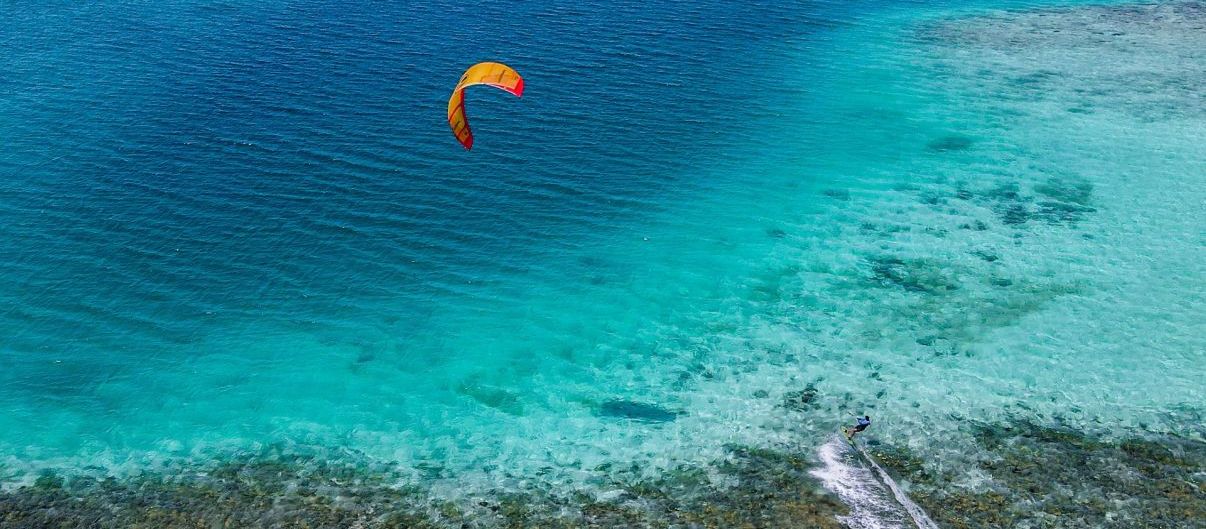
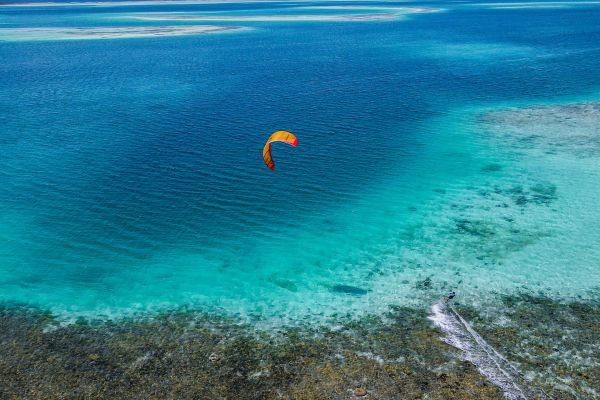
Los Roques sits inside a protected national park off Venezuela’s coast, and it’s quick to see why it’s famous for flat-water kiting. The archipelago’s reefs block almost all the swell before it reaches the interior lagoons, so you end up with calm, knee-to-waist-deep water and steady easterly trade winds overhead. If flat-water riding is your thing, Los Roques brings together conditions that are tough to find elsewhere in the Caribbean.
The seven spots below are here to help you figure out where to launch, depending on your skill, the weather that day, and just how much hassle you want to deal with. Some are a quick ten-minute boat ride from Gran Roque, while others take a half-day kite safari. Each spot’s got its own flavor, from beginner-friendly shallows to long downwinders over wild sandbars.
Tides, coral, and boat access all play a part in how each spot rides. You’ll find those details in each description so you can actually plan a session, not just scroll through pretty pictures.
1) Saki Saki
Best for: Beginners and lessons
Conditions: Shallow, flat, wave-free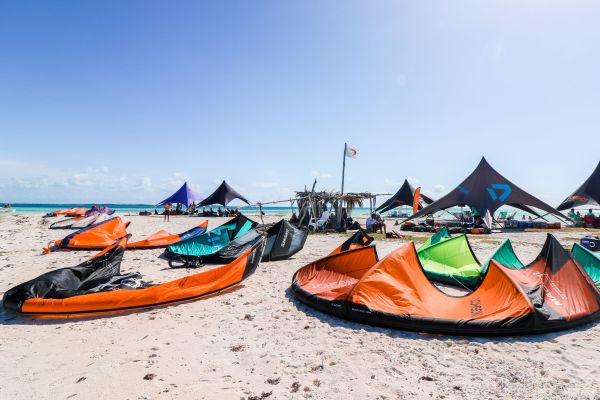
Wind exposure: Full trade wind fetch
Saki Saki is the main lesson spot in Los Roques, and it’s easy to see why. The water’s shallow enough to stand in almost everywhere, the lagoon’s protected from swell, and there’s plenty of room to spread out without bumping into other kiters.
Trade winds hit here cleanly and consistently. You don’t really get gusts or weird lulls from nearby islands, so kite control stays pretty straightforward. That’s exactly what you want when you’re just getting started and still figuring out the basics.
The sandy bottom means falls are no big deal. No coral heads in the main launch area, so practicing waterstarts feels a lot less stressful. Instructors run lessons here all the time, so you can find guide support, rescue boats, and rental gear without much fuss.
If you’re intermediate or advanced, Saki Saki is still a solid pick on lighter wind days when you just want to work on technique without battling the elements.
2) Los Roques Main Lagoon
Best for: Intermediate freeriders, transitions, freestyle
Conditions: Flat to slightly choppy depending on wind strength
Wind exposure: Sheltered by surrounding cays
The main lagoon around Gran Roque gives you a ton of space to ride. Most intermediate kiters spend a lot of their trip here since it’s easy to reach and the conditions hold up through most of the season.
Depth varies: some spots are thigh-deep at low tide—great for getting your board back on—while others drop off near the channel edges, where you’ll get some chop if it’s blowing over 20 knots. Knowing the tides before you head out helps you stick to the butteriest water.
There’s room to stretch out, try long reaches, and work on transitions without feeling boxed in. Boat traffic is the main thing to watch for, especially later in the day when posada transfers and fishermen are moving around.
3) Crasquí
Best for: Freeride, all-day sessions, intermediate to advanced
Conditions: Wide open flats with consistent wind
Wind exposure: Direct trade wind access
Crasquí is where intermediates and up head for a real open-water freeride vibe. It’s noticeably bigger than the main lagoon, wind stays steady, and the mood is more laid-back overall.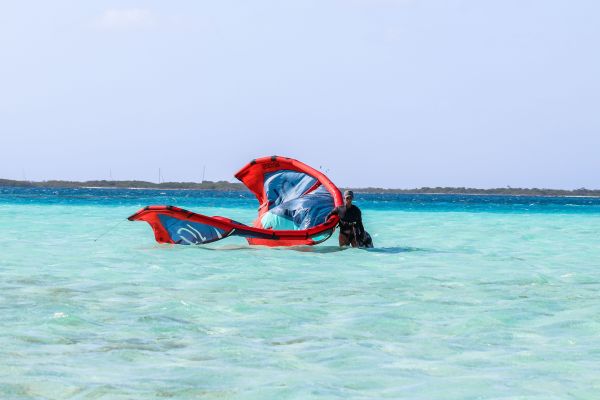
The water sits behind a reef that kills most of the swell, so you’re mostly dealing with wind chop even when it’s blowing hard. If you want to rack up hours without having to focus on every little technical detail, this is the place.
There are beach huts for grabbing food and shade between sessions, so you don’t have to cut your day short. Crasquí is a 20-30 minute boat ride from Gran Roque, so arrange your pickup ahead of time—walking back isn’t an option.
4) Cayo De Agua
Best for: Intermediate to advanced riders, downwind runs, photography
Conditions: Spectacular sandbar, exposed, longer fetch
Wind exposure: Higher exposure, more variable
Cayo De Agua is farther out from the main cays, and you feel that extra exposure the moment you get there. The long, pale sandbar is the star: it’s a natural runway for downwinders, and the views are unreal.
Winds here are usually a bit stronger and less filtered than closer to Gran Roque. If you’re comfortable with 20+ knots and want to go fast or cover distance, it’s a blast. Beginners should skip this one.
Water over the sandbar gets really shallow at low tide, so you’ve got to watch your line and avoid crashing into the bar. Definitely check the tide chart before launching. Boat rides out here take longer and need a bit more planning.
5) Cayo Vapor To Sebastopol
Best for: Advanced riders, kite safari, downwind runs
Conditions: Open water, reef edge, moving water
Wind exposure: Fully exposed, open sea
This is the big adventure run in Los Roques. Riding from Cayo Vapor to Sebastopol takes you along the coral reef in open water, and you’ll notice the difference. Stronger, steadier wind, deeper sections, and sometimes a bit of current between reef gaps.
The payoff? Distance, speed, and wild scenery you’ll be talking about long after you’re home. Turtles and rays are regulars out here too.
This route’s not for beginners or shaky intermediates. The coral gets close, water depth changes fast, and if you need to self-rescue, you’d better know what you’re doing. Go with a guide and a safety boat your first time—seriously.
6) Madrisquí
Best for: Quick sessions, solo riders, low-key freeride
Conditions: Calm, sheltered, smaller riding area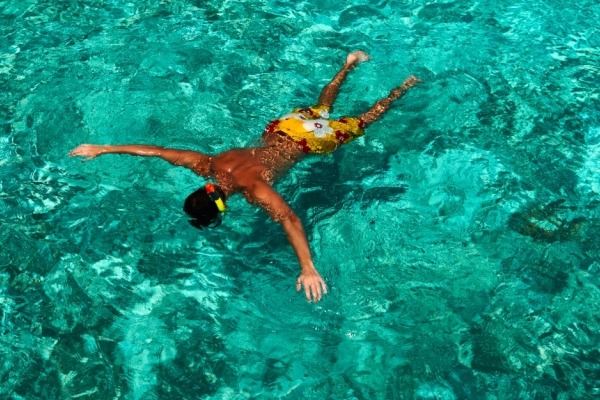
Wind exposure: Partially sheltered
Madrisquí is a quieter alternative to the busier spots near Gran Roque. The riding area is smaller than Crasquí or the main lagoon, but the flat water is reliable and the crowds are basically nonexistent. It’s perfect for a quick change of scenery if you don’t want a long boat ride.
Because it’s sheltered, wind here can feel a bit lighter than at fully exposed spots. On those days when it’s nuking everywhere else, Madrisquí can be just right for riders not looking to get overpowered.
It’s close to Gran Roque, so getting there is quick and easy. Makes for a good add-on session if you’re hopping between spots.
7) Cayo Sardina
Best for: Mellow freeride, relaxed intermediate sessions
Conditions: Flat, quiet, limited riding area
Wind exposure: Partially sheltered
Cayo Sardina is the chill spot for those who want flat water without any hassle. Conditions are mellow, wind exposure is moderate, and the water is shallow and clear. Coral is there, but if you keep an eye on your edges, it’s manageable.
It’s best as a half-session or when you want to avoid busier spots. Advanced riders might get bored with the small area, but for intermediates who want clean, uncrowded water, it’s a nice break.
Getting here from Gran Roque is a breeze, and the short boat ride keeps your day flexible. Like Madrisquí, it fits best as part of a multi-spot day, not really as a full-day adventure.
Best Time To Ride Flat Water In Los Roques
Wind Season And Most Reliable Months
Wind season in Los Roques runs from December through July. The steadiest flat-water days are in February, March, and June—trade winds are strongest and you can pretty much count on rideable conditions daily.
December and January are early season, so wind’s building but not always locked in. April and May are usually solid, though you might get a lull or two. By July, things start tapering off. Outside these months, wind gets unreliable and flat-water sessions are hit-or-miss.
If you want the best mix of wind, manageable crowds, and easy access to all seven spots, aim for February or March.
Typical Wind Direction And Strength
Los Roques is all about those easterly trades. The direction is steady enough that most spots are set up to use it, with riding lines going across or just downwind from the launch.
During peak season, wind usually sits between 16 and 25 knots. Most days hover around 18-22 knots, which is perfect for a 12m or smaller kite—enough power for fun, but not so much that the water gets blown out and choppy. If it jumps above 25 knots, even the sheltered lagoons can start to get a bit bumpy.
Gusts are less of an issue in the lagoons than at exposed spots like Cayo De Agua or the Cayo Vapor–Sebastopol run. Always worth checking a real forecast before heading out to those.
How Tides Change Flat-Water Access
Tides matter here. At Cayo De Agua, the sandbar gets super shallow at low tide—easy to run aground if you’re not paying attention. The main lagoon’s character shifts too, with more sandy flats showing up for beginners, but less room for fast riding.
High tide opens up more space and covers up coral heads, making things safer for intermediates. On the Cayo Vapor–Sebastopol route, tidal flow can change the current, which is something advanced riders need to keep in mind near the reef.
Honestly, grabbing a tide chart for Gran Roque before each session is just smart. Pair it with the wind forecast and you’ll know exactly when to hit your favorite spots.
What Kitesurfers Need To Know Before Launching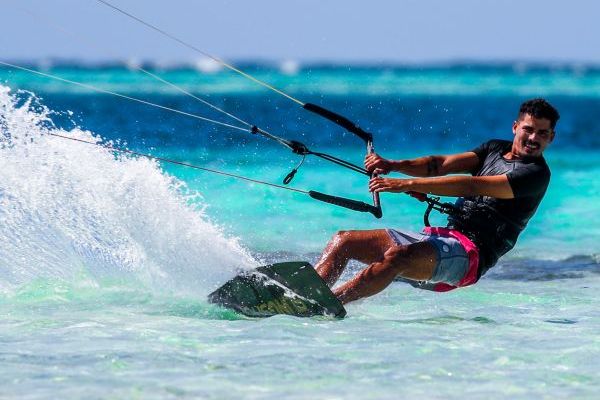
Skill Level Match For Each Spot
Saki Saki is the obvious starter for beginners or anyone taking lessons. The main lagoon is for those who’ve finished a basic course and can waterstart without help. Crasquí and Madrisquí are for intermediates ready for longer rides.
Cayo De Agua isn’t the place for your first solo session—you need to be comfortable reading water depth and handling stronger winds. Cayo Sardina is a good fit for intermediates after quiet water. The Cayo Vapor–Sebastopol route? Strictly advanced—open water, close coral, and self-rescue skills are non-negotiable.
Matching your level to the spot isn’t just a suggestion. Coral, tides, and boat-only access mean mistakes can get real, fast.
Coral, Sandbar, And High-Tide Hazards
Coral edges line several of these spots. The reef near Cayo Vapor–Sebastopol gets close to your riding line, and at Cayo De Agua, the sandbar is a hard landing at low tide. Even in the main lagoon, there are coral patches toward the edges.
Crashing into a reef at speed can ruin your trip (or worse). Wearing board shorts with padding or a thin wetsuit bottom helps, and booties are worth considering where coral’s close.
High tide usually covers most of these hazards, making things safer for intermediates. Low tide exposes the tricky stuff—great for experts who know what they’re doing, but not for beginners.
Local Logistics, Guides, And Gear Transport
There aren’t any kite shops on most of the outer cays. All the gear gets hauled in by boat from Gran Roque, so you’ve got to sort out launches, pickups, and your gear ahead of time. Trust me, showing up somewhere remote and realizing your ride home isn’t coming for hours? That’s not the vibe—especially when you’re tired or the wind dies.
Local guides based in Gran Roque handle safety boats, gear shuttling, and know the routes inside out for the kite safari spots. If it’s your first time heading to Cayo Vapor, Cayo De Agua, or Crasquí, you’re honestly better off booking through one of these operators instead of trying to manage it all solo.
There’s gear rental in Gran Roque during the busy season, but you’ll want to book early—February and March get picked clean. If you’re picky about your setup, bringing your own bar and lines isn’t a bad idea.
What are the typical wind seasons and average wind speeds in Los Roques for kitesurfing?
The main wind season is December through July, with February, March, and June being especially reliable. Trade winds blow from the east, usually 16 to 25 knots. Most people are on a 12m kite during peak months, but on windier days, you’ll want to size down to a 9m.
Do I need a permit or park fee to kitesurf in the Los Roques archipelago?
Los Roques is a national park, so there’s an entry fee for everyone coming in, usually paid when you land at Gran Roque. Sometimes there are specific kitesurf permits too, depending on how the park rules are looking that season. It’s smart to check with your posada or local guide before you travel—rules can shift without much warning.
What skill level is recommended for riding the flat-water lagoons in Los Roques?
Beginners can learn at Saki Saki if they’ve got an instructor and a safety boat. If you’re intermediate and can waterstart on your own, most lagoon spots are in play. For the Cayo Vapor to Sebastopol route, though, you’ll need advanced skills—open water, reefs nearby, and being able to self-rescue if things go sideways.
How do you access the main kitesurf spots in Los Roques (boat transfers vs. staying on a specific cay)?
Most kiters stay on Gran Roque and catch boats out to the spots. Saki Saki is close, so it’s a quick trip. The outer cays like Cayo De Agua and Crasquí take longer and need some planning for pickups. There are a few places that offer rooms on certain cays, which is handy if you just want to ride one spot and skip the daily boat shuffle.
What are the common hazards and safety considerations when kitesurfing in Los Roques (shallow reefs, tides, gusts)?
Coral reefs, shallow sandbars, and the shifting tides—those are the big ones you’ve got to watch for. That Cayo Vapor to Sebastopol stretch? It hugs the reef edge pretty close, so you can’t really zone out. And at Cayo De Agua, the sandbar can get sketchy when the tide drops—suddenly there’s barely any water. Then there’s the wind: once it cranks over 25 knots, choppy water gets blown right into lagoons that usually feel protected, and it’s a whole different beast out at exposed spots. Most folks don’t mess around and stick with a local guide and a safety boat, especially when heading out to those outer cays.