

Cayo Madrisqui in Los Roques
Cayo Madrisqui in Los Roques is a small island in the Los Roques Archipelago, located just a five-minute boat ride southeast of Gran Roque. It sits at the edge of the park's tourist zone, which puts it within easy reach of the main hub while still feeling removed from it. The beach is wide, the water is shallow and clear, and the island connects by a narrow sand bar to Cayo Pirata next door.
What makes Cayo Madrisquí genuinely useful as a day trip is how little effort it takes to reach and how much beach space it offers relative to how close it sits to Gran Roque. Most visitors spend the day swimming, snorkeling in the shallows, or walking across the sand bar to Cayo Pirata. There are no hotels or permanent restaurants on the island, so you bring what you need and leave at the end of the day.
If you are in the early stages of planning a Los Roques trip and wondering whether Madrisquí belongs on your list, start by reaching out to a Venezuela travel specialist to get a sense of how the cays fit together as a multi-day itinerary.
Key Takeaways
- Cayo Madrisqui Los Roques is one of the most accessible spots in the Los Roques archipelago, perfect for a low-effort beach day near Gran Roque.
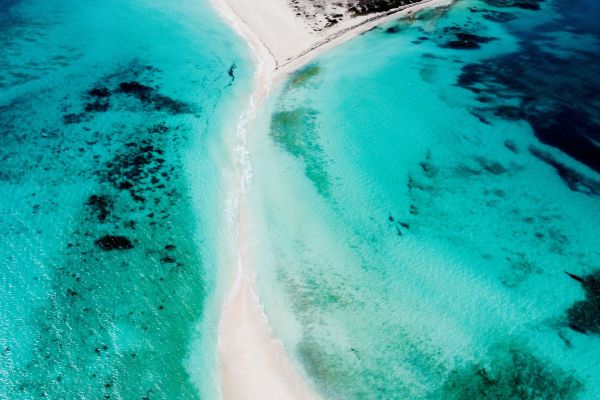
- A natural sand barrier connects it to Cayo Pirata, which you can walk across at low tide.
- The island is uninhabited, so you need to arrive prepared with cash, water, food, and any gear you want for the day.
What To Know Before Visiting
Cayo Madrisqui Los Roques covers 18.85 hectares of flat, low-lying terrain. This small island is situated in the southern part of the park. Its location in the park's designated tourist and recreational zone, its white coral sand, and its proximity to Gran Roque make it one of the first cays most visitors encounter.
Where Cayo Madrisquí Sits Within Los Roques
The Los Roques archipelago is a Venezuelan national park in the Caribbean Sea. It is administered as part of the Federal Dependencies of Venezuela. The Los Roques archipelago contains over 300 cays and islets. However, the only permanently inhabited island is Isla Gran Roque, which hosts the airstrip and posadas.
Madrisquí lies to the southeast of Gran Roque, northeast of Cayo Pirata, and north of Isla Esparquí. It falls within the tourist area of the park, which means it sees regular day-trip traffic and is part of the standard rotation of cays that posadas arrange for guests.
Why It Is One Of The Most Popular Day Trips
Proximity is the main reason. At roughly five minutes by lancha from Gran Roque, Madrisquí is one of the easiest cays to reach. Its beach is wide and gently shelving, the water stays shallow a long way out, and the connection to Cayo Pirata by a sand bar gives visitors two stops in one outing.
Fly fishing is also popular here because of the shallow flats. Snorkeling works well closer to the edges of the cay, where the seafloor changes. The combination of easy access, open beach space, and the added option of walking to a neighboring cay keeps it consistently busy.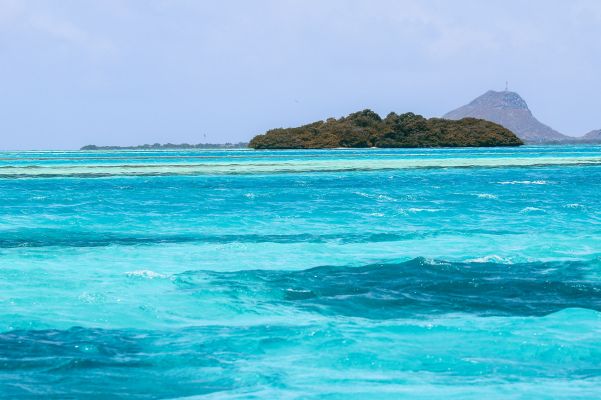
Madrisquí, Cayo Madriskí, And Madrizqui: Name Variations Explained
You will see this island spelled at least three different ways depending on the source: Madrisquí, Cayo Madriskí, and Madrizqui. All three refer to the same island. The variation comes from inconsistent transliteration of the Spanish name across maps, guidebooks, and travel platforms.
If you are searching for it on a map or booking a day trip, Madrisquí is the most commonly used spelling in Spanish-language sources and on local signage. Cayo Madriskí and Madrizqui appear in some English-language travel books and online listings. Using any of the three in conversation with your posada or guide will be understood without confusion. Regardless of the spelling, Cayo Madrisqui Los Roques remains a highlight for anyone exploring the Los Roques archipelago.
Beaches, Access, And Nearby Cays
Getting to Cayo Madrisquí is straightforward, and the beach character rewards the short trip. The island's shallow waters, white sand, and the walkable link to Cayo Pirata make it a solid pick for a full beach day from Gran Roque. Understanding what the beach is like and how the sand bar walk works helps you plan your time better.
The Beach Setting And Shallow Waters
Cayo Madrisqui Los Roques is made up of fine, white coral sand. As a small island with a flat profile, it offers expansive views of the surrounding turquoise waters. The beach is open and fairly long, with room to spread out even on busier days. The water is remarkably shallow for a good distance offshore, which makes it safe and comfortable for wading and swimming without much skill or gear required.
The shallowness also means the water color shifts through distinct bands of turquoise, a quality that makes the island visually striking as you approach by boat. It is not a reef-diving destination in the immediate beach area, but snorkeling around the edges of the cay picks up coral and marine life as the depth increases. The island is uninhabited, so there are no permanent facilities onshore.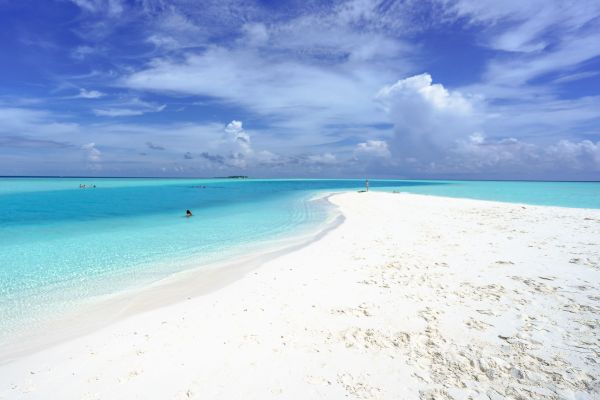
Walking The Sand Barrier To Cayo Pirata
A narrow sand barrier connects Cayo Madrisqui Los Roques to Cayo Pirata to its west. At low tide, you can walk this bar between the two islands on foot. The crossing is short and part of what makes Madrisquí an attractive base for a day, since you get two cays for a single boat trip.
Cayo Pirata is known locally for lobster fishing. The walk itself is part of the experience, with shallow water on both sides and the open sky above. Check conditions with your guide or posada before attempting the crossing, as tidal depth and sand exposure can vary.
Getting There From Gran Roque And What To Expect
Most posadas on Isla Gran Roque include daily boat transfers to a rotation of cays as part of their packages, and Madrisquí is almost always among the options. You arrange your preferred cay the evening before, and a lancha picks you up from the Gran Roque dock in the morning.
The boat ride to this small island takes roughly five minutes. You are dropped off on the beach and picked up at a set time in the afternoon. Since there are no food kiosks or shade structures to count on, bring your own water, food, and sun protection. Some day-trip operators may offer a beach umbrella or chair rental on the island, but do not assume these will be available. Confirm logistics with your posada or with a tour organizer like Venezuela Nature, which handles Los Roques transfers as part of broader Venezuela itineraries.
What are the best beaches and snorkeling spots near Madrisquí and Francisquí?
Madrisquí's own beach offers shallow, calm water ideal for swimming. Snorkeling is better around the outer edges of the cay where coral and fish life are more active. Francisquí and Crasquí are nearby alternatives with slightly different beach profiles, and your posada can advise on which cays suit your preferences on a given day.
Are there restaurants, beach kiosks, or food services available on the cay?
Madrisquí is uninhabited and has no permanent food or beverage services. Some day-trip operators may bring coolers or basic refreshments, but you should not rely on this. Pack your own water, snacks, and lunch before leaving Gran Roque.
What should I bring for a day trip (cash, shade, water, snorkeling gear)?
Bring more water than you think you need, a packed lunch, sun protection, a hat, and your own snorkeling mask if you have one. Cash in small denominations is useful if any vendors are present. A beach umbrella or sarong helps with shade since there is minimal tree cover on the island.
Do U.S. citizens need a visa or special permits to visit the Los Roques National Park?
U.S. citizens need to check current Venezuela entry requirements before travel, as visa rules can change. Inside the park, visitors pay a national park entry fee, which is typically arranged through your posada or tour operator. Confirm current requirements with your travel organizer well before your departure date.
Where can I find a reliable map of the archipelago and plan routes between the main cays?
Your posada on Gran Roque will usually have a printed or digital map of the archipelago. Online, look for maps labeled "Archipiélago de Los Roques" that show the full spread of cays. A specialist like Venezuela Nature can also help you plan a logical route between cays as part of a wider trip itinerary.
| Languages spoken | Spanish- English- Italian- French- German |
|---|---|
| Area (km2) | It has an approximate land area of 0.193 square kilometers (0.193 km²) |
| Country name | Los Roques Archipelago National Park - Venezuela |