

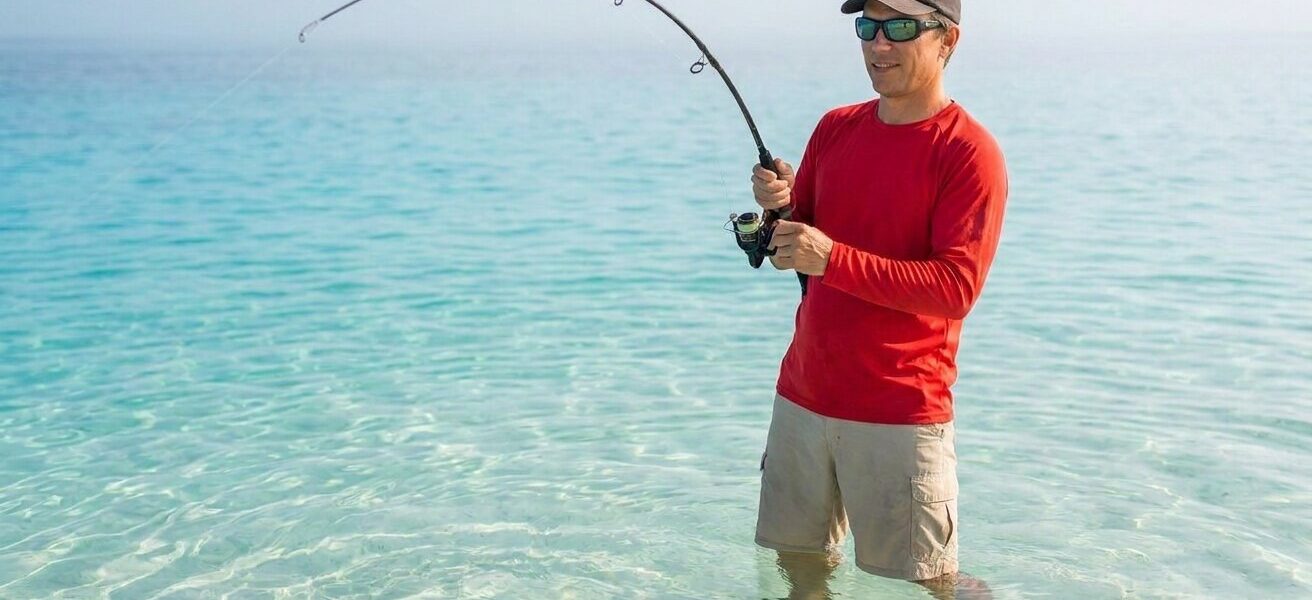
Freshwater habits just don’t cut it when you hit a Caribbean flat. The wind’s relentless, leaders have to be longer and tougher, and a bonefish at 60 feet will humble even a seasoned trout angler’s line control. If you’re wondering what fly fishing gear you actually need for the Southern Caribbean, the short answer: bring at least two saltwater-ready rods (an 8-weight and a 9- or 10-weight), sealed-drag reels, tropical floating line, and leaders built for clear, skinny water.
Showing up with borrowed bass gear? That’s a recipe for frustration in places like Los Roques or Curaçao. The fish, the flats, and the way trips are run all demand specific gear, so it’s worth sorting this stuff out before you’re standing on the bow, wind in your face.
This guide breaks down rod weights by species, lays out leaders and flies for gin-clear water, and digs into the travel headaches you might hit flying into small island airports with tight baggage rules. If you’re eyeing a first trip to Gran Roque, using local planning resources alongside a checklist like this one makes it way easier to match your tackle to the actual fishing you’ll do.
Key Takeaways
- Choosing rod weight for each species (bonefish, permit, tarpon) is more critical here than on most freshwater trips.
- Sealed-drag reels, tropical floating line, and long fluorocarbon leaders are the go-to for handling wind, heat, and wary fish.
- Don’t overlook sun protection, wading boots, and smart packing—those matter as much as the rods.
Build A Southern Caribbean Rod And Reel Quiver
If you want to be ready for Los Roques or Curaçao, you’ll want three rod weights, each with a clear job on the flats. Choose your reel and line to fit the rod—not the other way around. A mismatched reel or the wrong line taper can cost you fish you’d otherwise land.
Choose An 8-Weight For Bonefish And General Flats Work
The 8wt is your workhorse for the Southern Caribbean. It’s got the backbone for weighted flies in a stiff wind but doesn’t wear you out after hours of casting to bonefish.
Around Gran Roque, bonefish show up on shallow flats where accuracy beats distance. A fast-action 8-weight loads up for those quick, short shots, and recovers fast enough for a follow-up when a fish suddenly veers.
This rod also covers jacks and smaller barracuda wandering the flats. If you’re thinking about bringing a 6- or 7-weight from your trout days—don’t. It’ll feel outgunned the moment a bonefish bolts into your backing.
Add A 9- Or 10-Weight For Permit, Wind, And Larger Flies
Permit are a different game. They’re spooky, often deeper or near structure, and require heavier crab or shrimp patterns that lighter rods can’t turn over well.
A 9wt covers most permit shots and doubles as a backup for windy bonefish days, when you need a heavier line to punch through gusts. A 10-weight? That’s for big barracuda or jacks, both of which pull hard and need a solid hookset.
Rods like the Scott Sector or G.Loomis Asquith in these weights are built for this stuff. Their power and line speed help with the double haul you’ll need for those open, windy flats.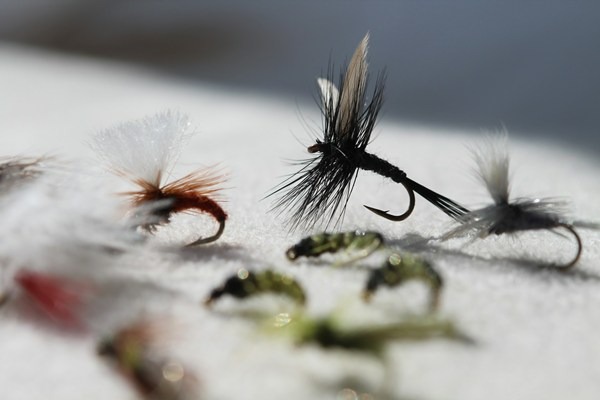
Bring A 10- To 12-Weight Only For Tarpon And Heavy Predators
Tarpon aren’t a sure thing every trip, but if they’re around, you’ll want to be ready. A 12wt gives you the power to control a big fish and fight it quickly in warm water—important for the fish’s health too.
“Baby” tarpon can be handled on a 10-weight, but if you’re chasing adults in open water, you’ll want the extra muscle. Check with your guide before you pack—tarpon availability changes with the seasons.
Honestly, carrying a heavy rod you don’t use isn’t a big deal; missing a tarpon shot because you left it at home… you’ll remember that one for a while.
Match Every Rod With A Saltwater Reel And Tropical Fly Line
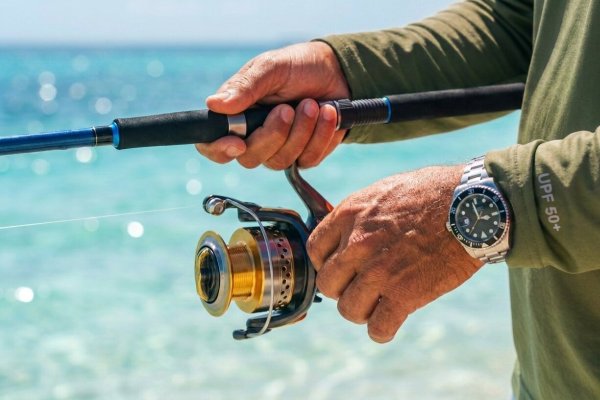
Every rod needs a real saltwater reel, not a freshwater model you’re hoping will survive. Look for large arbor, sealed drag reels—sand and salt will wreck an unsealed drag in no time.
Reels like the Hatch Iconic, Abel SDS, and Tibor are favorites for a reason. Pair each with a weight-forward tropical floating line for bonefish, permit, and most tarpon fishing. Sinking lines? Only if your guide specifically recommends them for deeper channels.
Backing matters. For tarpon, jacks, or anything big, go for at least 150 yards of 30-pound backing.
Pack The Terminal Tackle, Flats Kit, And Travel Essentials
Rods and reels aren’t much use if the rest of your kit falls short. Leaders, flies, sun gear, and how you pack for a small-plane flight all play a part in whether you’re fishing on day one or still rummaging through bags at the dock.
Select Leaders, Tippet, And Flies For Clear Shallow Water
Caribbean flats are crystal clear, so fluorocarbon tippet and tapered leaders are a must. For bonefish, bring 9 to 12-foot leaders in the 8 to 12-pound range.
Permit need heavier 10-foot leaders, usually 12 to 20-pound fluorocarbon. For tarpon, use straight fluorocarbon shock tippet—40 to 80-pound test, depending on fish size. Their mouths are rough and will shred lighter stuff in a heartbeat.
Stock your fly boxes with a real mix:
- Clouser minnow and baitfish patterns for jacks and barracuda
- Gotchas and crazy charlies for bonefish
- Crab patterns, like raghead crabs, for permit
- Tarpon toad and other tarpon flies (natural and dark colors)
- Shrimp patterns for general flats work
Bring more flies than feels reasonable. Coral and mangroves will eat a few every day, guaranteed.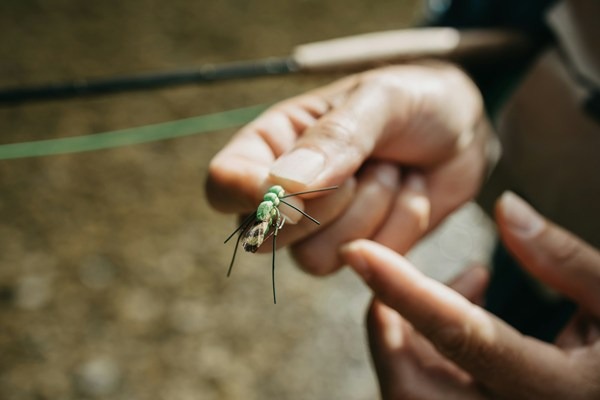
Prepare For Sight-Fishing, Wading, And Sun Exposure
Sight-fishing is all about seeing fish before they see you. Polarized sunglasses aren’t optional—a copper or neutral lens is best for spotting bonefish and permit in shallow water.
Sun protection is huge. Long-sleeve sun shirts, a wide-brim hat, neck gaiter, and reef-safe sunscreen will save your skin. If you’ll be wading, bring flats boots or wading boots built for coral and sand (Simms Flats Sneaker is a solid choice). Wading socks with gravel guards help prevent chafing. Toss in a light rain jacket for surprise squalls, and don’t forget a water bottle and electrolytes—the heat sneaks up on you fast.
Practice your strip set before you go. Trust me, lifting the rod like you’re trout fishing is the easiest way to blow shots at saltwater fish.
Protect Gear During Flights And Care For It After Each Fishing Day
Getting to Los Roques means flying into Gran Roque’s tiny airstrip, with baggage limits often around 10 kilograms per person. Pack rods in a hard tube and carry reels and flies in your carry-on if you can.
A stripping basket, dry bag, or waterproof backpack keeps your fly line and tackle organized on the boat. Always rinse rods, reels, and lines with fresh water at the end of each day—salt left on your gear will eat away at it faster than you’d think.
Bring a basic fishing pliers tool for hook removal and quick leader tweaks on the boat.
Confirm Local Regulations, Guides, And Conditions Before Departure
Los Roques is a national park, and most trips are guided private-boat days with strict catch-and-release rules for bonefish, permit, and tarpon. Check current regulations, boat limits, and licensing with your outfitter before you pack—these things do change.
Curaçao has similar species and flats but different access and guide setups. Either way, a quick pre-trip call with your guide or a planning resource helps you nail down tides, wind, and which rods you’ll actually use during your dates.
Which fly lines and leaders should I pack for saltwater flats fishing?
Bring a weight-forward tropical floating fly line for each rod. For bonefish, use 9- to 12-foot fluorocarbon leaders; for permit, heavier 10-foot leaders; and for tarpon, straight fluorocarbon shock leaders in 40 to 80-pound test.
What fly patterns work best for bonefish, tarpon, and permit in the Southern Caribbean?
Gotchas and crazy charlies are bonefish staples. Permit go for crab patterns (like raghead crabs). For tarpon, tarpon toads and similar flies in dark or natural shades get the job done.
Do I need a saltwater-rated fly reel with a sealed drag system?
Absolutely. Freshwater reels corrode fast in salt and sand, and a hot-running bonefish or jack will expose any weak drag. Go for a large arbor, sealed drag, and at least 150 yards of backing.
What clothing and sun-protection gear should I wear for Caribbean fly fishing?
Wear a long-sleeve sun shirt, wide-brim hat, polarized sunglasses, and reef-safe sunscreen every day. For wading, add flats boots and wading socks with gravel guards to save your feet from coral and chafing.
Can I bring fly fishing rods, reels, and flies on a plane to the Caribbean?
Rods usually do fine in a hard travel tube—sometimes as checked baggage, sometimes as carry-on, depending on the airline's mood that day. Reels and flies? I'd keep them in your carry-on, just to dodge any nasty surprises like damage or loss. If you’re flying into tiny airstrips like Gran Roque, there’s often barely any wiggle room for luggage weight, so you’ll want to pack smart and double-check those airline rules before you head out.